Interested in offering heritage carbon diamonds? Explore white-label partnership opportunities.

Case Study · Botanical · Ancient Tree Heritage

Rongjiang Banyan Diamond:
Ancient Life in Carbon

Leaves from a 500-year-old sacred banyan tree in Rongjiang County, Guizhou Province were transformed into three commemorative gem-quality diamonds. Botanical carbon from living heritage, preserved as permanent geological memory.

3

Diamonds Created

0.5–1.2

Diamond Size (ct)

89

Timeline (Days)

1,200g

Banyan Leaf Carbon

CCIC

Botanical Heritage Certified

15%

To Conservation Fund

Challenge

Low Botanical Carbon Conversion

The Rongjiang County Cultural Heritage Bureau wanted to create commemorative diamonds from leaves of a 500-year-old sacred banyan tree as heritage gifts for distinguished visitors and scholars. The challenge: botanical cellulose has a carbon conversion rate of only ~8%, compared to ~30% for animal hair.

Banyan leaves have high moisture content and dense cellulose structure. Standard carbon extraction protocols designed for keratin-based sources (hair, fur) were insufficient. The project required a modified botanical extraction protocol that could handle Ficus microcarpa chemistry without cross-contamination, while preserving the integrity of the heritage source material.

Solution

Extended Acid Hydrolysis Protocol

BioGem Lab developed a modified botanical carbon extraction protocol with extended acid hydrolysis cycles specifically for cellulose-dense plant matter. The process extended drying time from 72 hours to 168 hours and added two additional hydrolysis stages to break down lignin and hemicellulose matrices.

The extracted carbon was synthesized via HPHT at 5.5 GPa / 1,450°C, precision-cut to round brilliant specifications, and certified by CCIC with a special "Botanical Heritage Source" notation. Each diamond was presented in a custom wooden box containing the tree's story and a pressed leaf specimen from the original collection.

Result

3 Heritage Diamonds, 89 Days

Three gem-quality diamonds were produced: 0.5ct, 0.8ct, and 1.2ct. All achieved F–H color grades and VS1–VVS2 clarity. The 89-day timeline was longer than typical animal-hair projects due to botanical extraction complexity, but well within the heritage bureau's ceremonial schedule.

The project became a pilot for the broader "Heritage Tree Diamond" program, now exploring similar initiatives with ginkgo and cypress trees. 15% of proceeds are directed to the local tree conservation fund. The original banyan tree was fully preserved — only naturally fallen leaves were collected over a 3-month period, with zero damage to the living tree.

Production Timeline

From Leaf to Diamond

A specialized botanical carbon extraction pipeline for ancient tree leaf memorial diamond synthesis.

Carbon Collection

1,200g dried banyan leaves collected over 3 months

Lab Operation

Extended 168-hour drying and cellulose decomposition

Purification

Extended acid hydrolysis for botanical cellulose purification

HPHT Growth

5.5 GPa, 1,450°C crystal synthesis

Cutting

Round brilliant precision cut to heritage bureau specifications

Certification

4C grading + CCIC Botanical Heritage Source certification

Delivery

Custom wooden case with pressed leaf specimen

Process Documentation

Lab & Production Gallery

Real process images from the Rongjiang Banyan Diamond production run — leaf collection, carbon extraction, purification, and HPHT synthesis.
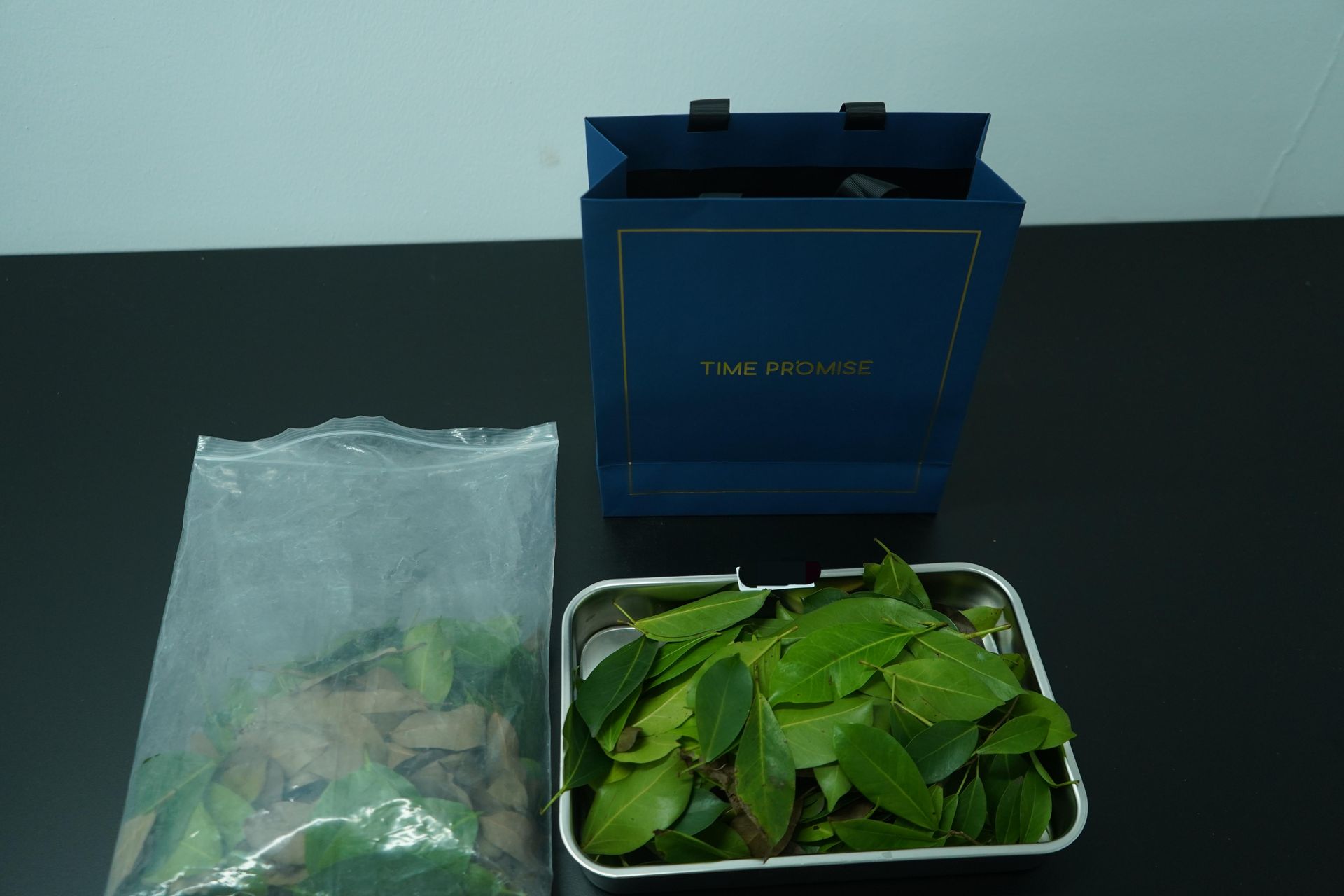
Banyan leaves collected in a mesh bag from the 500-year-old sacred tree

Leaf Collection

Naturally fallen banyan leaves gathered in mesh bags for carbon processing
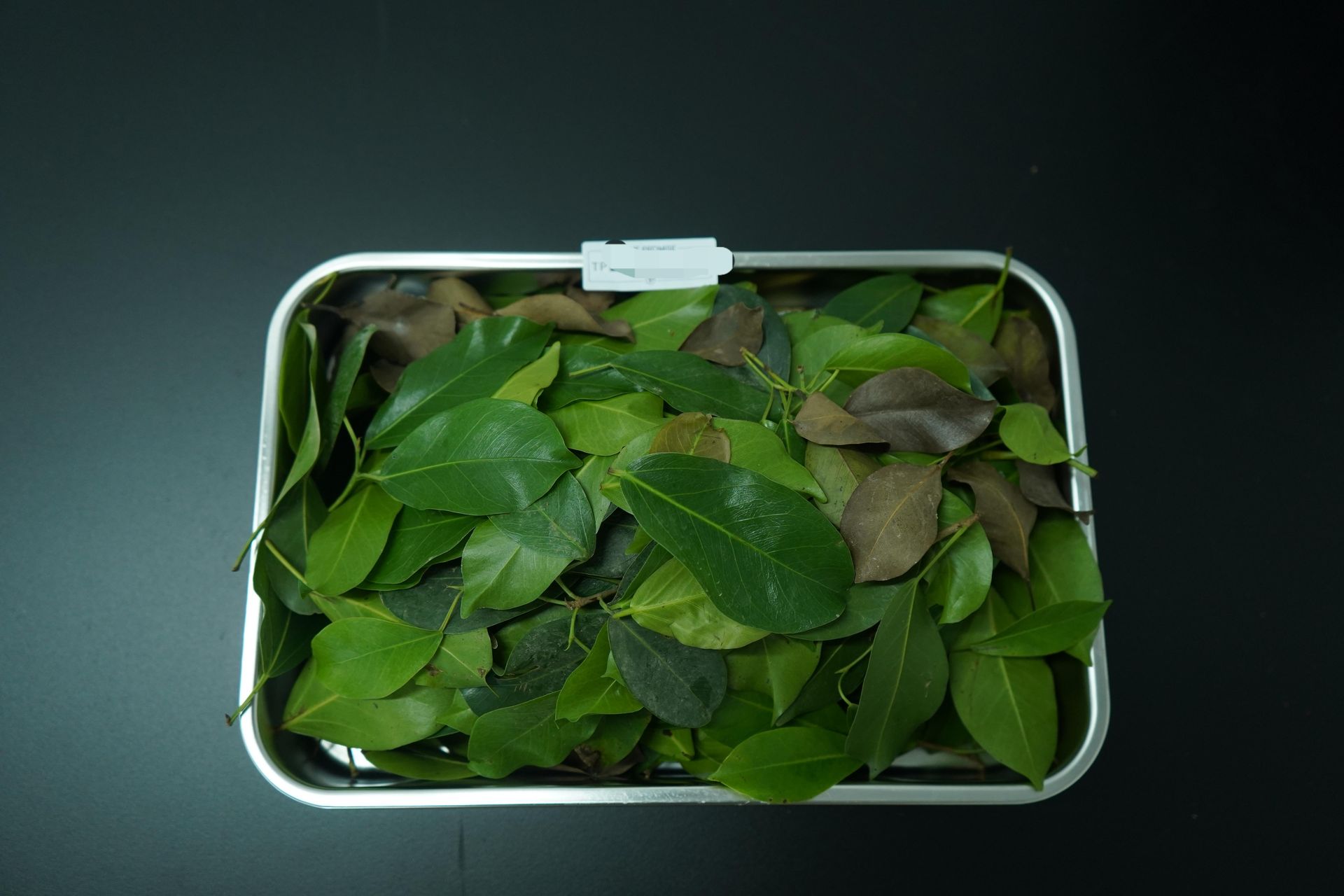
Banyan leaves arranged on a tray for drying and preparation

Leaf Preparation

Banyan leaves arranged on tray for extended 168-hour drying cycle
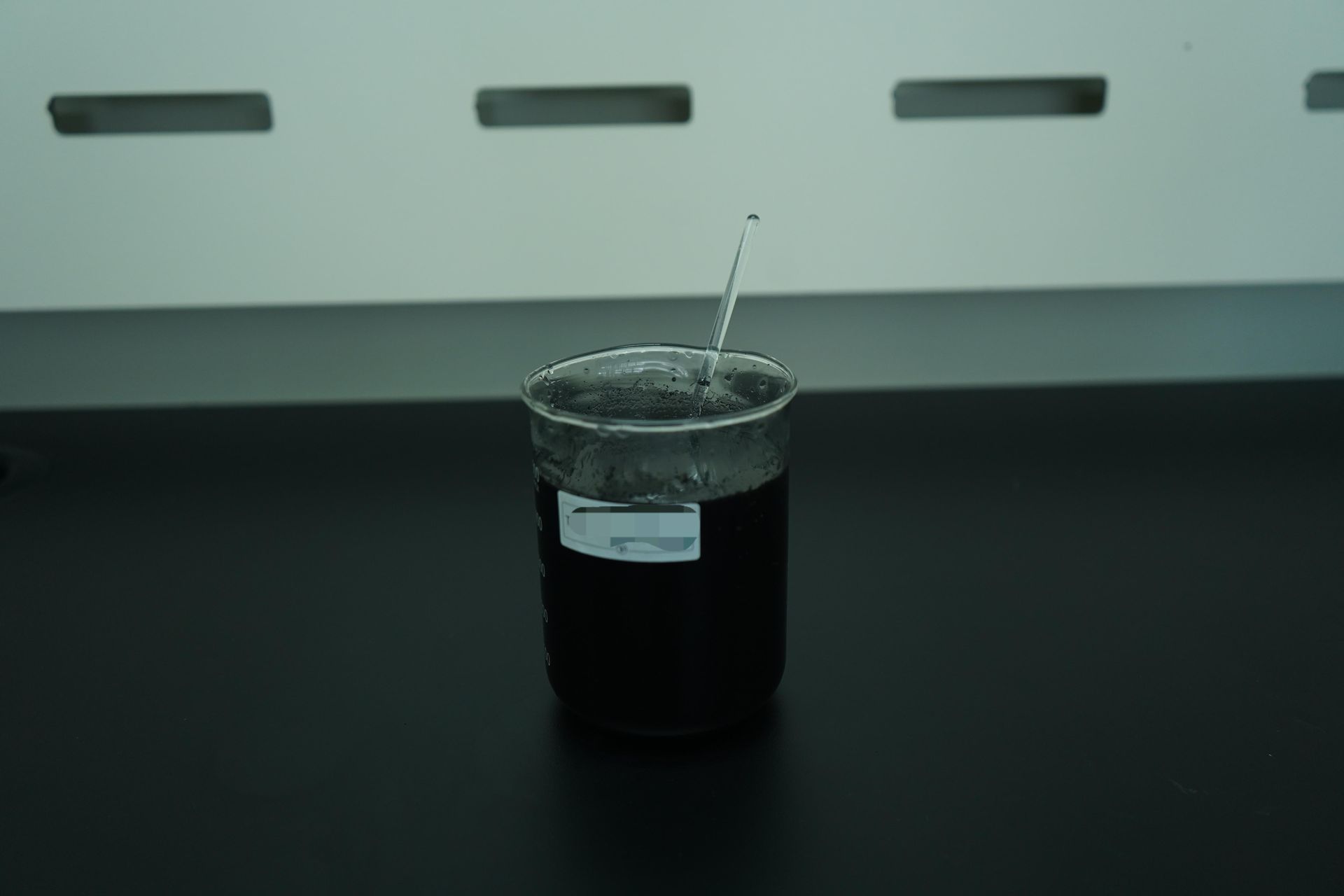
Dark liquid in a beaker showing botanical carbon extraction from banyan leaves

Carbon Extraction

Dark liquid in beaker showing active botanical carbon extraction process
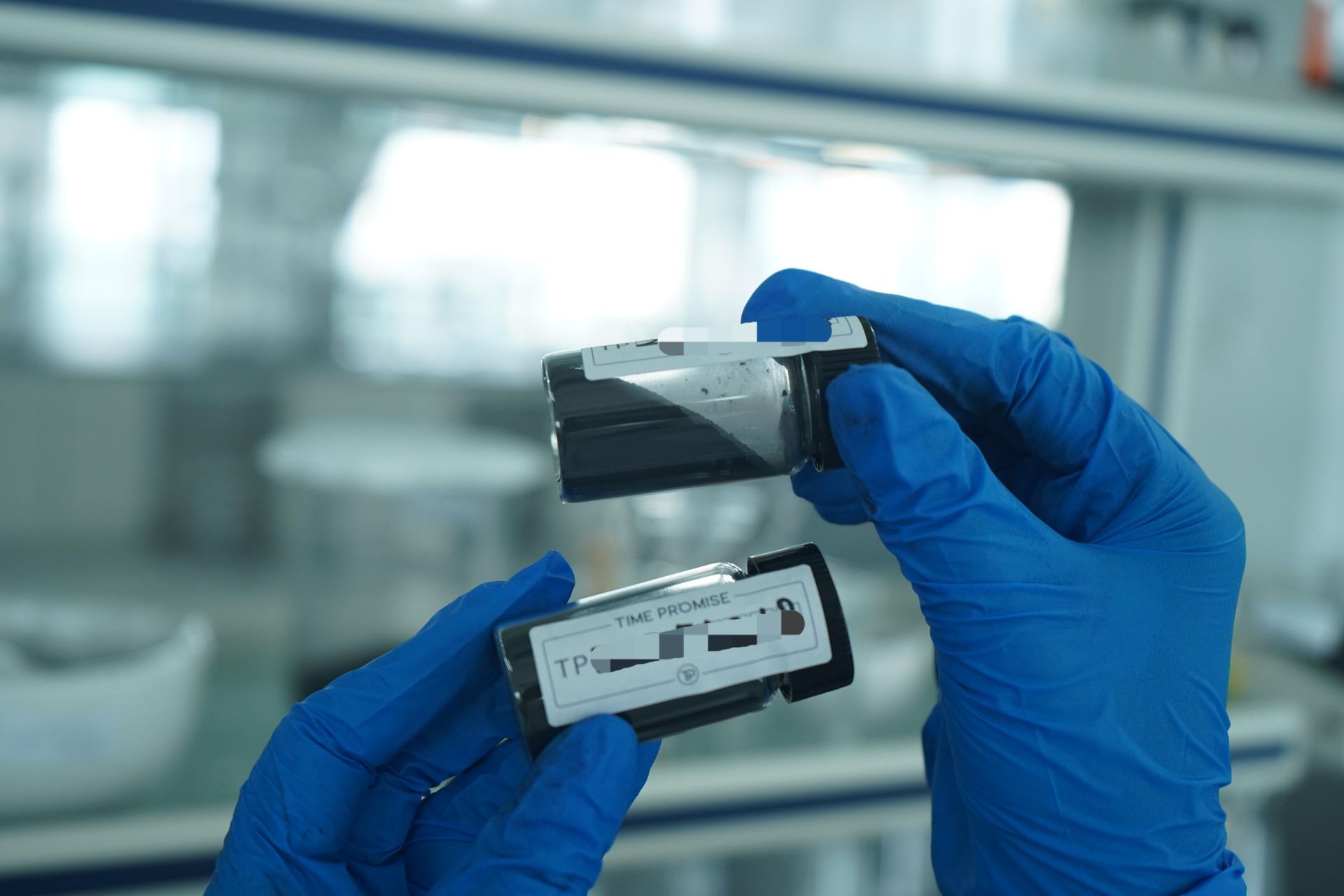
Carbon powder in glass vials showing purified botanical carbon from banyan leaves

Purified Carbon

Purified carbon powder in glass vials ready for HPHT synthesis
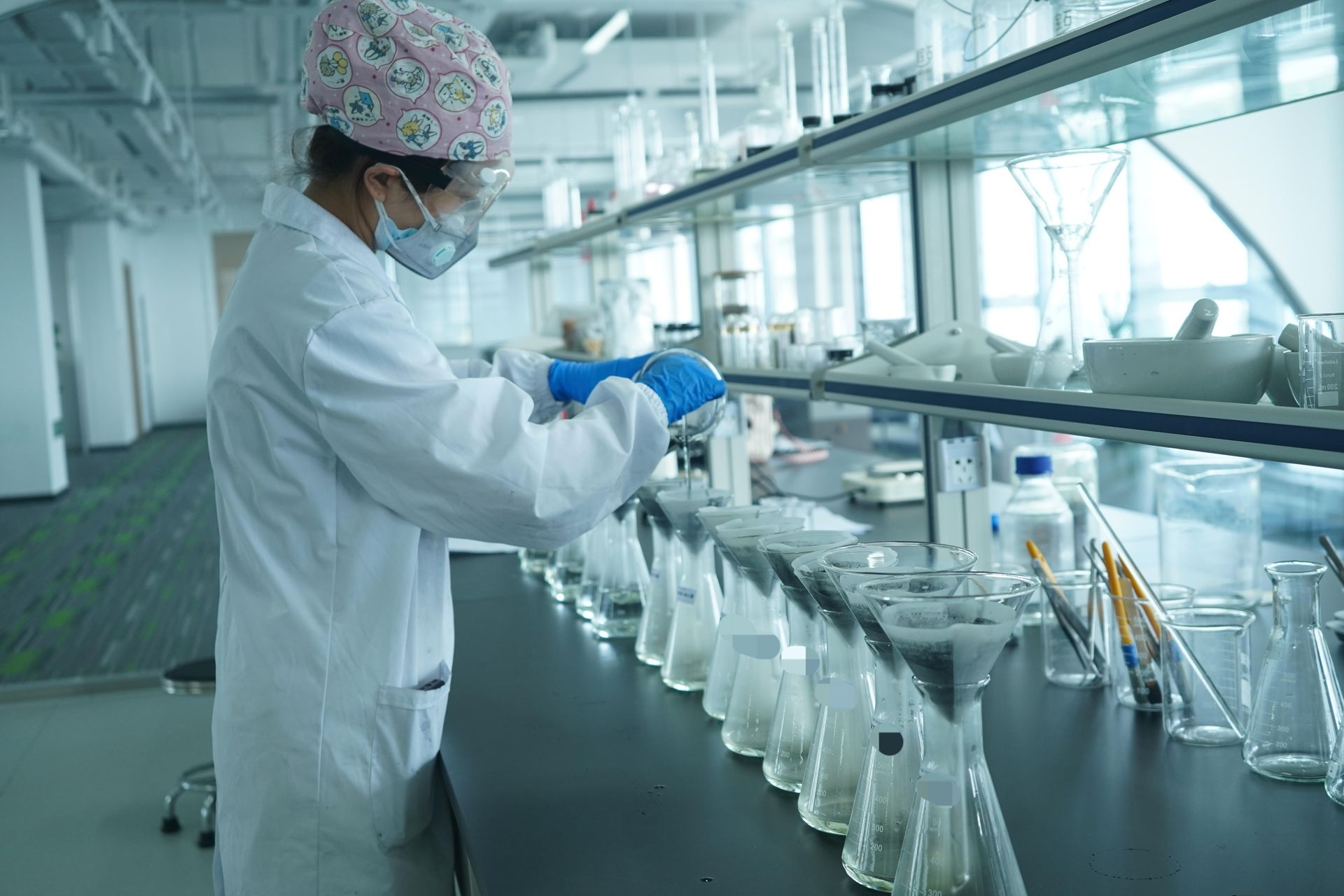
Lab technician working with equipment during botanical carbon diamond synthesis

HPHT Synthesis Operation

Technician monitoring six-anvil press during crystal growth at 5.5 GPa and 1,450°C

"This tree has stood for over five centuries, witnessing the history of our county. Now, through these diamonds, a piece of its legacy can travel with scholars and visitors across the world. The tree lives on — not just in memory, but in carbon."

Heritage Bureau Director

Rongjiang County Cultural Heritage Bureau · Guizhou, China

Related Technologies & Resources

FAQ

Frequently Asked Questions

Can plant leaves and botanical materials be used as carbon sources for memorial diamonds?

Yes. The Rongjiang Banyan Diamond project demonstrated that botanical cellulose from tree leaves can be successfully converted into gem-quality diamonds through modified carbon extraction and HPHT synthesis. However, botanical sources require specialized protocols: cellulose conversion rates are approximately 8% versus 30% for animal keratin, necessitating extended acid hydrolysis and longer drying cycles.

What is the "Botanical Heritage Source" CCIC notation?

This is a special certification classification developed for the Rongjiang project that distinguishes botanical-origin diamonds from animal-origin or synthetic-only sources. It verifies that the carbon was extracted from a specific documented botanical source (in this case, the 500-year-old Rongjiang banyan tree), includes the collection period and location, and confirms that no living tree was damaged in the process.

What quality standards were achieved for the banyan tree diamonds?

The three diamonds achieved F–H color grades and VS1–VVS2 clarity, all cut to round brilliant specifications. The 0.5ct, 0.8ct, and 1.2ct stones were produced over 89 days. Each unit underwent full 4C gemological assessment and received independent CCIC grading reports with the Botanical Heritage Source notation.

How does botanical carbon extraction differ from hair-based extraction?

Botanical cellulose requires a fundamentally different decomposition pathway. While keratin (hair, fur) breaks down cleanly under standard thermal decomposition, cellulose contains lignin and hemicellulose matrices that require extended acid hydrolysis. The Rongjiang protocol added two hydrolysis stages and extended drying from 72 hours to 168 hours, resulting in a ~89 day total timeline versus ~60 days for animal-hair projects.

What is the Heritage Tree Diamond program?

The Rongjiang Banyan Diamond project became the pilot for a broader Heritage Tree Diamond initiative. The program partners with cultural heritage institutions and local governments to create commemorative diamonds from historically significant trees — using only naturally fallen leaves, with a percentage of proceeds funding tree conservation. Similar projects with ginkgo and cypress trees are currently in development.

Interested in Heritage Tree Diamond Projects?

We partner with cultural institutions, heritage bureaus, and conservation organizations to create commemorative diamonds from historically significant botanical sources.