Memorial diamonds represent one of the most durable materials humanity can produce. For pet cremation services, veterinary clinics, and memorial businesses offering white-label diamond programs, understanding the actual longevity and care requirements of these gems is essential. Clients ask the same questions repeatedly: Will the diamond fade? Can it break? What happens under extreme conditions? This article provides a materials engineering analysis of memorial diamond durability, grounded in crystallography, thermodynamics, and industrial quality data.
TL;DR — Quick Summary
Memorial diamonds are among the most durable materials known. Diamond rates 10/10 on the Mohs hardness scale, is thermally stable to ~1,100°C, is chemically inert to most acids and solvents, and will last essentially forever with normal care. Unlike organic keepsakes, a memorial diamond does not degrade, discolor, or decompose over time.
The short answer is that a memorial diamond lasts indefinitely. Diamond is the hardest known natural material, with a melting point of 3,547°C and a structure that resists chemical attack from virtually all common substances. BioGem Lab's HPHT synthesis process produces crystalline carbon identical in structure and durability to natural diamonds. The questions worth examining are not whether diamonds last, but under what conditions they might degrade, how to handle them safely, and what care practices are actually necessary.
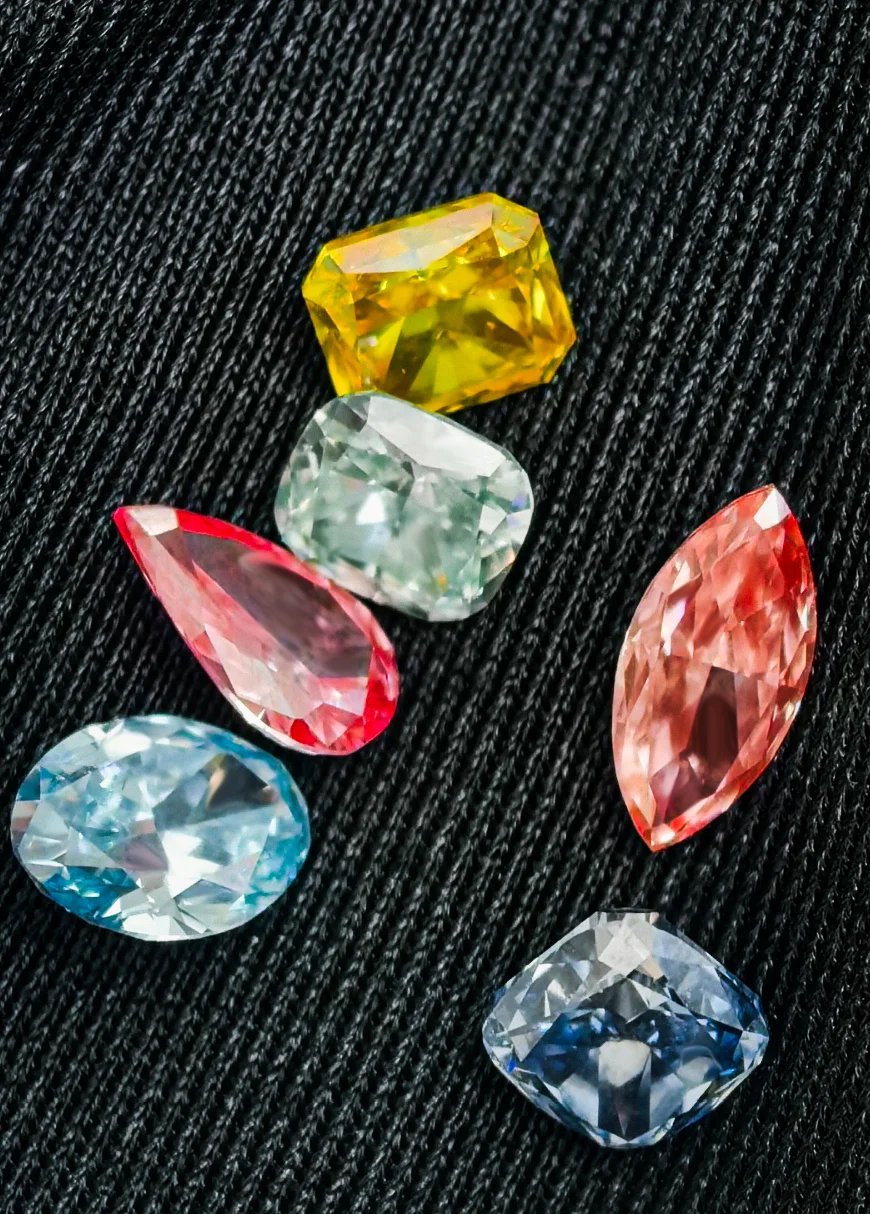
The Mohs Scale and Diamond Hardness
Hardness in materials science refers to a material's resistance to localized plastic deformation — specifically scratching. The Mohs scale, developed in 1812, ranks minerals by their ability to scratch one another. Diamond sits at the top with a rating of 10. For practical purposes, this means nothing short of another diamond can scratch a diamond's surface.
Crystallographic Basis of Hardness
Diamond's hardness stems from its crystal structure. Each carbon atom bonds covalently to four neighbors in a tetrahedral arrangement, forming a three-dimensional network of strong sp3 hybridized bonds. The bond energy of 346 kJ/mol and the compact atomic packing create a lattice that resists mechanical deformation. This is the same structure whether the diamond formed in the Earth's mantle over billions of years or in an HPHT press over sixty days.
Hardness does not mean invulnerability. The Mohs scale measures scratch resistance, not fracture resistance or toughness. Diamond is actually brittle compared to metals — it will not bend or deform plastically before breaking. This distinction matters for handling and setting: a diamond cannot be scratched by a metal tool, but it can chip if struck at the wrong angle with sufficient force.
Implications for Memorial Diamond Handling
For memorial service providers, the hardness data translates to simple guidance: diamonds can be stored with other jewelry without risk of surface damage to the diamond itself. However, the diamond will scratch softer materials — gold, silver, platinum, and gemstones like quartz or topaz. Storage in individual compartments or soft pouches protects the mounting and surrounding pieces, not the diamond.
Our article on carbon-to-diamond transformation explains the crystallographic structure in greater detail, including how lattice defects influence color and clarity without compromising hardness.
Thermal Stability Under Extreme Conditions
Temperature is one of the most common concerns clients raise. What happens if a memorial diamond is exposed to fire, cremation conditions, or industrial heat? The answer requires separating surface oxidation from bulk structural stability.
Oxidation Thresholds
In air, diamond begins to oxidize at approximately 1,400°C. Surface carbon atoms react with oxygen to form carbon dioxide, causing a slow weight loss and surface etching. Below this threshold, diamond is chemically inert in oxygen. Standard household fire temperatures range from 600-1,000°C — below the oxidation threshold for brief exposure, though prolonged contact can cause surface damage.
In inert atmosphere (argon, nitrogen, vacuum), diamond remains stable to its melting point of 3,547°C. This is why HPHT synthesis operates at 1,300-1,600°C without damaging the growing crystal — the growth chamber is sealed under inert conditions. For memorial diamonds, this means no normal environmental condition poses a thermal threat.
Phase Transitions and Graphitization Risk
At ambient pressure, diamond is technically metastable — graphite is the thermodynamically favored form of carbon. However, the activation energy for the diamond-to-graphite transition is so high that the reaction does not proceed at observable rates under normal conditions. At temperatures above 1,500°C in vacuum, the transition accelerates. This is only relevant in specialized high-temperature industrial processes, not in any consumer or commercial environment.
Thermal Stability Summary
- Stable in air below1,400°C
- Melting point (inert)3,547°C
- Graphitization onset (vacuum)1,500°C
- HPHT synthesis temperature1,300-1,600°C
- Standard fire temperature600-1,000°C
Chemical Resistance and Environmental Exposure
Diamond is chemically inert to most acids, bases, and solvents at room temperature. This is a direct consequence of the strong covalent bonding and the absence of reactive surface sites. For memorial diamonds, this chemical stability means routine exposure to water, soap, oils, and atmospheric gases has no effect.
Acid and Base Resistance
Hydrochloric acid, sulfuric acid, nitric acid, and aqua regia do not attack diamond at temperatures below 200°C. Strong bases like sodium hydroxide are similarly ineffective. This is why diamond is used in industrial applications requiring chemical resistance — from laboratory crucibles to cutting tools in corrosive environments. For memorial diamonds, accidental exposure to household cleaning chemicals, swimming pool chlorine, or saltwater poses no structural risk.
Ultraviolet and Radiation Stability
Diamond transmits ultraviolet light and is largely unaffected by UV exposure. Unlike organic materials that degrade under UV radiation, diamond's carbon lattice absorbs high-energy photons without bond breaking. Long-term sunlight exposure will not fade, yellow, or otherwise alter a diamond's appearance. This distinguishes memorial diamonds from photographs, textiles, and other organic memorial items that degrade photochemically.
Ionizing radiation can create color centers in diamond by displacing carbon atoms or modifying lattice defects, but this requires specialized radiation sources (gamma rays, electron beams) and doses far exceeding any environmental exposure. Normal background radiation and medical imaging procedures have no measurable effect.
Structural Integrity: Fracture, Cleavage, and Toughness
While diamond resists scratching, it is vulnerable to fracture under impact. Understanding these vulnerabilities is essential for setting, mounting, and handling protocols in memorial jewelry production.
Cleavage Planes and Fracture Mechanics
Diamond has four perfect cleavage planes parallel to the {111} crystallographic faces. When force is applied along these planes, the crystal can split cleanly. This property is exploited in diamond cutting but is also the primary fracture risk. Sharp impacts at girdle edges, points, or thin areas of fancy cuts can initiate cleavage cracks.
The round brilliant cut is the most fracture-resistant common shape because it has no sharp corners. Princess, emerald, and marquise cuts have pointed edges that are more susceptible to chipping. For memorial diamonds, particularly in rings and bracelets that experience daily wear, the round brilliant offers the best structural durability.
Toughness and Impact Resistance
Toughness is the ability to absorb energy before fracture. Diamond's toughness is moderate — lower than metals but higher than many ceramics. The critical parameter for memorial jewelry is the impact threshold: how much force is required to initiate a crack. This depends on cut geometry, inclusion content, and existing surface flaws. High-clarity diamonds (VS and above) with no surface-reaching inclusions have the highest impact resistance.
Our technical overview of HPHT growth discusses how growth conditions influence internal strain patterns and inclusion formation — factors that directly impact structural integrity.
Lab-Grown vs. Natural Diamond Durability
A common question from memorial service clients is whether lab-grown diamonds are as durable as natural diamonds. The answer is unambiguous: yes. Both are crystalline carbon in the identical sp3 tetrahedral lattice. The physical, optical, and chemical properties are indistinguishable.
Structural Equivalence
Gemological laboratories use spectroscopic and microscopic techniques to distinguish lab-grown from natural diamonds, but these methods detect growth morphology and trace element signatures — not structural differences. The hardness, thermal stability, chemical resistance, and toughness are identical. A memorial diamond grown via HPHT from biological carbon will last as long as any natural diamond from a kimberlite pipe.
Trace Elements and Color Stability
Lab-grown diamonds may contain higher concentrations of metal catalyst residues (Ni, Fe, Co) from the HPHT process, and lower nitrogen content than most natural diamonds. These trace elements are locked into the lattice and do not migrate or degrade over time. Color in diamond — whether yellow from nitrogen, blue from boron, or pink from plastic deformation — is permanent and stable. Memorial diamonds do not fade, shift, or change hue with age.
Practical Care Recommendations for Memorial Diamonds
While diamonds are inherently durable, the jewelry mounting and surrounding materials require care. For B2B partners delivering memorial diamonds to end customers, providing accurate care instructions reduces service calls and builds trust.
Cleaning Protocols
Routine cleaning removes skin oils, dust, and residue that accumulate on the surface and reduce brilliance. The recommended method is warm water with mild dish detergent and a soft brush (toothbrush or jewelry brush). Ultrasonic cleaners are generally safe for diamonds but should be avoided if the diamond has fracture-filled inclusions or if the mounting contains soft gemstones. Steam cleaners are also effective and safe for diamond alone.
Storage and Handling
Store memorial diamonds separately from other jewelry to prevent the diamond from scratching softer metals and stones. A fabric-lined jewelry box with individual compartments is ideal. For long-term storage, no special atmospheric conditions are required — diamond does not tarnish, oxidize, or react with moisture. However, the mounting material (typically gold or platinum) should be stored in a dry environment to prevent surface oxidation of the metal.
Activities to Avoid
Remove diamond jewelry before activities involving sharp impacts or abrasive contact: heavy machinery operation, sports with collision risk, rock climbing, and gardening. While the diamond itself is unlikely to be scratched, the mounting can deform and the setting can loosen, increasing the risk of stone loss. Impact against hard surfaces (tile, concrete, metal) can chip the diamond at vulnerable points.
Longevity Projections and Warranty Considerations
From a materials engineering perspective, memorial diamonds have no meaningful degradation timeline. Archaeological diamonds from ancient India, South Africa, and Australia remain structurally identical to newly synthesized stones. The crystal lattice does not fatigue, creep, or corrode.
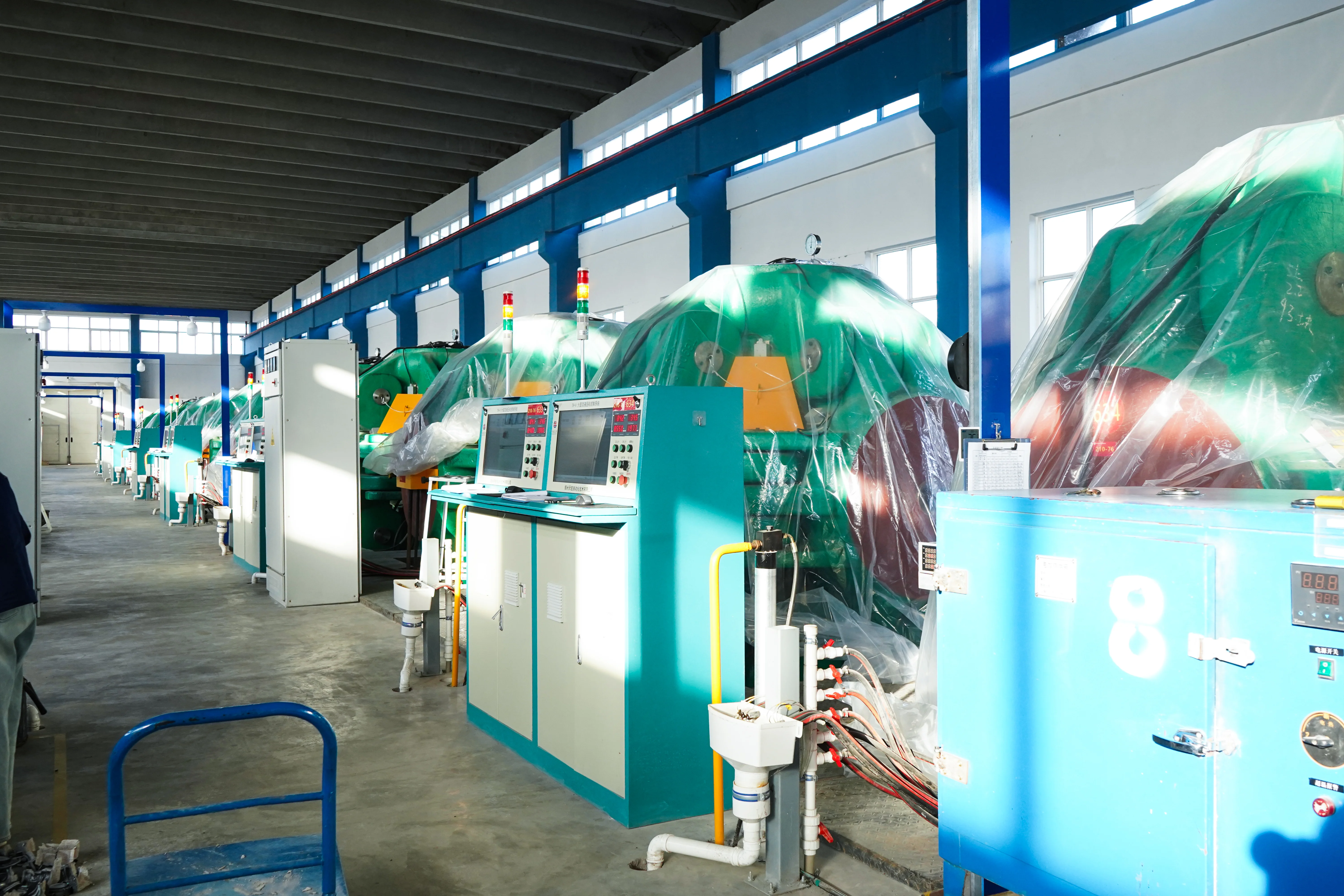
For B2B partners, this translates into warranty and service policies. The diamond itself requires no maintenance, replacement, or restoration. The mounting, however, may need periodic inspection — prongs can loosen, metal can wear, and settings can deform. BioGem Lab's manufacturing specifications include mounting guidelines designed for long-term durability, with recommended inspection intervals for partners to communicate to end customers.
The practical lifespan of a memorial diamond is measured in centuries, not years. For pet cremation services and memorial businesses, this permanence is a core selling point. Unlike biodegradable urns, photo albums, or digital memorials that require active maintenance, a diamond is a self-sustaining physical artifact. The carbon atoms that once formed a living being remain locked in a crystal lattice that will outlast any human institution.
Explore Manufacturing Capabilities
Learn about HPHT synthesis infrastructure, quality validation systems, and partner production capacity.
Explore ManufacturingPatent-backed carbon extraction technology. Patent No. ZL 201010565778.9
Frequently Asked Questions
How long does a memorial diamond last?
A memorial diamond lasts indefinitely under normal conditions. Diamond is the hardest known natural material (10 on the Mohs scale), with a melting point of 3,547°C and exceptional chemical resistance. Unlike organic memorial materials, a diamond does not decompose, oxidize, or degrade over time. With minimal care, it remains structurally and optically unchanged for centuries.
Can a memorial diamond chip or break?
Diamond is hard but not invulnerable. While it resists scratching, it can chip along cleavage planes or fracture under sharp impact, particularly at girdle edges or thin points in the cut. Brilliant-cut round diamonds are more resistant than angular cuts like princess or emerald. Proper mounting and storage minimize fracture risk.
Do lab-grown memorial diamonds last as long as natural diamonds?
Yes. Lab-grown and natural diamonds share identical crystal structure (sp3 tetrahedral carbon lattice), hardness, thermal stability, and chemical resistance. Both are genuine crystalline carbon. The primary differences are growth origin and trace element signatures — not durability or longevity.
What temperatures can a memorial diamond withstand?
Diamonds are stable up to approximately 1,400°C in air before surface oxidation begins. In inert atmosphere, they remain stable to 3,547°C (melting point). Standard household, industrial, and cremation temperatures do not approach these thresholds. Only specialized high-temperature industrial processes or direct flame exposure pose thermal risk.
How should memorial diamonds be cleaned and stored?
Clean with warm water, mild detergent, and a soft brush. Avoid ultrasonic cleaners if the diamond has fracture-filled inclusions. Store separately from other jewelry to prevent abrasion of softer metals or stones. For long-term storage, a fabric-lined case in a dry environment is sufficient. No special atmospheric conditions are required.
Does memorial diamond color fade over time?
No. Diamond color is determined by lattice defects and trace element inclusions (nitrogen for yellow, boron for blue) that are structurally locked into the crystal. These features do not degrade, fade, or shift under normal conditions. UV exposure, heat, or chemicals do not alter diamond color.
Li Lihua — Chief Scientist
Patent inventor ZL 201010565778.9. View profile →
Request OEM Memorial Diamond Specifications
Detailed durability data, care guidelines, and mounting specifications for your white-label memorial diamond program.
Request OEM Consultation