Memorial diamonds represent one of the fastest-growing segments in the pet aftercare and human memorial industries. For businesses already serving grieving families and pet owners, adding memorial diamonds to the service portfolio is a natural extension — but building an in-house diamond manufacturing capability is economically impossible for nearly every company in the space.
That's where OEM memorial diamond manufacturing comes in. An OEM (Original Equipment Manufacturer) partner — in this case, a specialized memorial diamond laboratory — handles every aspect of production: carbon extraction, diamond synthesis, cutting, grading, and certification. The business partner maintains full customer-facing control: their brand on the packaging, their name on the certificate, their relationship with the customer.
This article explains how the OEM model works for memorial diamonds, what to look for in a manufacturing partner, and how BioGem Lab structures its white-label/OEM partnerships with businesses worldwide.
TL;DR — Quick Summary
OEM memorial diamond manufacturing lets pet aftercare businesses and memorial brands add diamonds to their portfolio without investing in multi-million-dollar HPHT laboratories. The manufacturing partner handles carbon extraction, synthesis, cutting, and certification behind the scenes, while the business partner maintains full brand control and customer-facing ownership. This article covers how the partnership model works, what to evaluate in a manufacturing partner, and the economics of adding memorial diamonds to your service portfolio.
What Is OEM Memorial Diamond Manufacturing?
In the memorial diamond industry, OEM manufacturing means a laboratory produces diamonds under the partner company's brand name. The end customer never sees the manufacturer's name — they see only the partner's brand on:
- Product packaging — Ring boxes, display cases, and shipping materials bearing the partner's logo and design.
- Certificates — Gemological grading reports and traceability documentation issued under the partner's brand (or co-branded with the laboratory).
- Customer communication — Production updates, care guides, and warranty documents sent from the partner, not the manufacturer.
- Marketing materials — The partner uses their own photography, copy, and pricing — often supported by manufacturing documentation and sample certificates provided by the OEM.
The laboratory's role is invisible to the end customer. Its job is to deliver consistent product quality, predictable timelines, and reliable fulfillment — enabling the partner to focus on what they do best: customer relationships, marketing, and sales.
Key distinction: OEM is not dropshipping generic product. Every memorial diamond is made from a specific customer's submitted material (hair, fur, nails, or botanical sample). The manufacturing process is bespoke per order, even when the partner relationship is ongoing. The "OEM" label refers to brand control and production outsourcing, not to mass-produced inventory.
Why OEM Instead of In-House Manufacturing?
Building memorial diamond manufacturing capability in-house requires:
| Requirement | Estimated Investment | Timeline |
|---|---|---|
| HPHT press (multi-cavity) | $300,000–$800,000 | 6–12 months procurement |
| Cleanroom facility | $150,000–$500,000 | 3–6 months construction |
| Carbon extraction equipment | $50,000–$150,000 | 2–4 months setup |
| Cutting & polishing equipment | $80,000–$200,000 | 1–3 months setup |
| Gemological lab & certification | $30,000–$100,000 | Ongoing operating cost |
| Staff training & certification | $50,000–$100,000/year | 12–24 months to proficiency |
| Patent licensing (if applicable) | Variable | 6–18 months negotiation |
| TOTAL | $660,000–$1,850,000 | 2–4 years to operational |
For most pet cremation services and funeral homes, building an in-house memorial diamond manufacturing capability requires capital investment in HPHT presses, cleanroom facilities, and trained personnel — a significant commitment that makes white-label partnership the more practical entry path.
OEM manufacturing eliminates this barrier. Partners pay only for the diamonds they order, with no upfront equipment investment, no facility construction, and no specialized staffing.
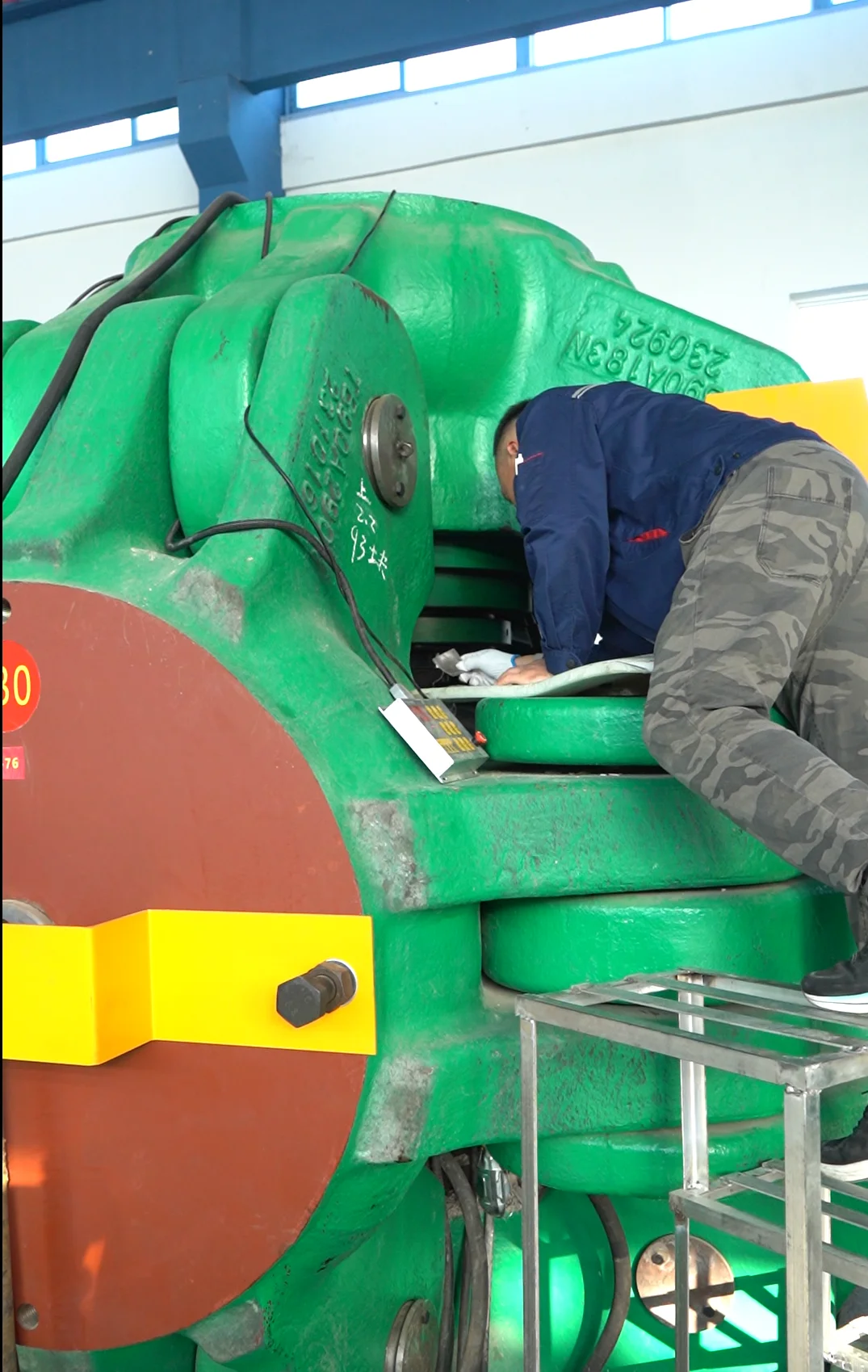
Figure 1: HPHT press maintenance and calibration — the capital equipment that makes in-house memorial diamond manufacturing economically impractical for most service businesses.
How the OEM Partnership Works
BioGem Lab's OEM partnership model follows a standardized workflow that minimizes operational burden on the partner while preserving brand integrity:
Phase 1: Partnership Setup (Week 1–2)
- Brand asset integration. Partner provides logo files, brand color codes, and packaging design preferences. BioGem Lab integrates these into production templates.
- Pricing sheet. A confidential wholesale pricing schedule is established, with volume tiers and multi-diamond order discounts.
- Sample kit. The partner receives a physical sample kit: a finished memorial diamond in partner-branded packaging, certificates, and marketing collateral. This enables the partner to photograph and showcase the product before taking their first customer order.
- Training call. A 60-minute video call covers product knowledge, customer FAQ responses, order submission procedures, and production status tracking.
Phase 2: Customer Order (Ongoing)
- Partner collects customer material. The partner's staff or the customer submits hair, fur, or nails directly to the partner's location.
- Partner submits order. Through a secure portal, the partner uploads the customer's diamond specifications (carat size, cut, color preference) and shipping instructions. The sample is forwarded to BioGem Lab.
- BioGem Lab handles everything else. Carbon extraction, graphitization, HPHT synthesis, cutting, polishing, grading, and certification.
Phase 3: Production & Fulfillment (~60 Days)
- Production updates. The partner receives automated status updates at key milestones: sample receipt, carbon extraction complete, synthesis started, synthesis complete, cutting in progress, grading complete.
- White-label packaging. The finished diamond is placed in partner-branded packaging with branded certificate sleeves and documentation.
- Direct-to-customer shipping. BioGem Lab ships directly to the end customer under the partner's brand name, or to the partner's facility for in-person handover.
Phase 4: Ongoing Support
- Marketing collateral updates. BioGem Lab provides updated product photography, technical fact sheets, and industry data quarterly.
- Customer service backup. If a partner encounters a technical question they cannot answer, BioGem Lab provides direct technical support — still white-labeled if the partner prefers.
- Volume scaling. As partner order volume grows, pricing tiers automatically adjust. No renegotiation required.
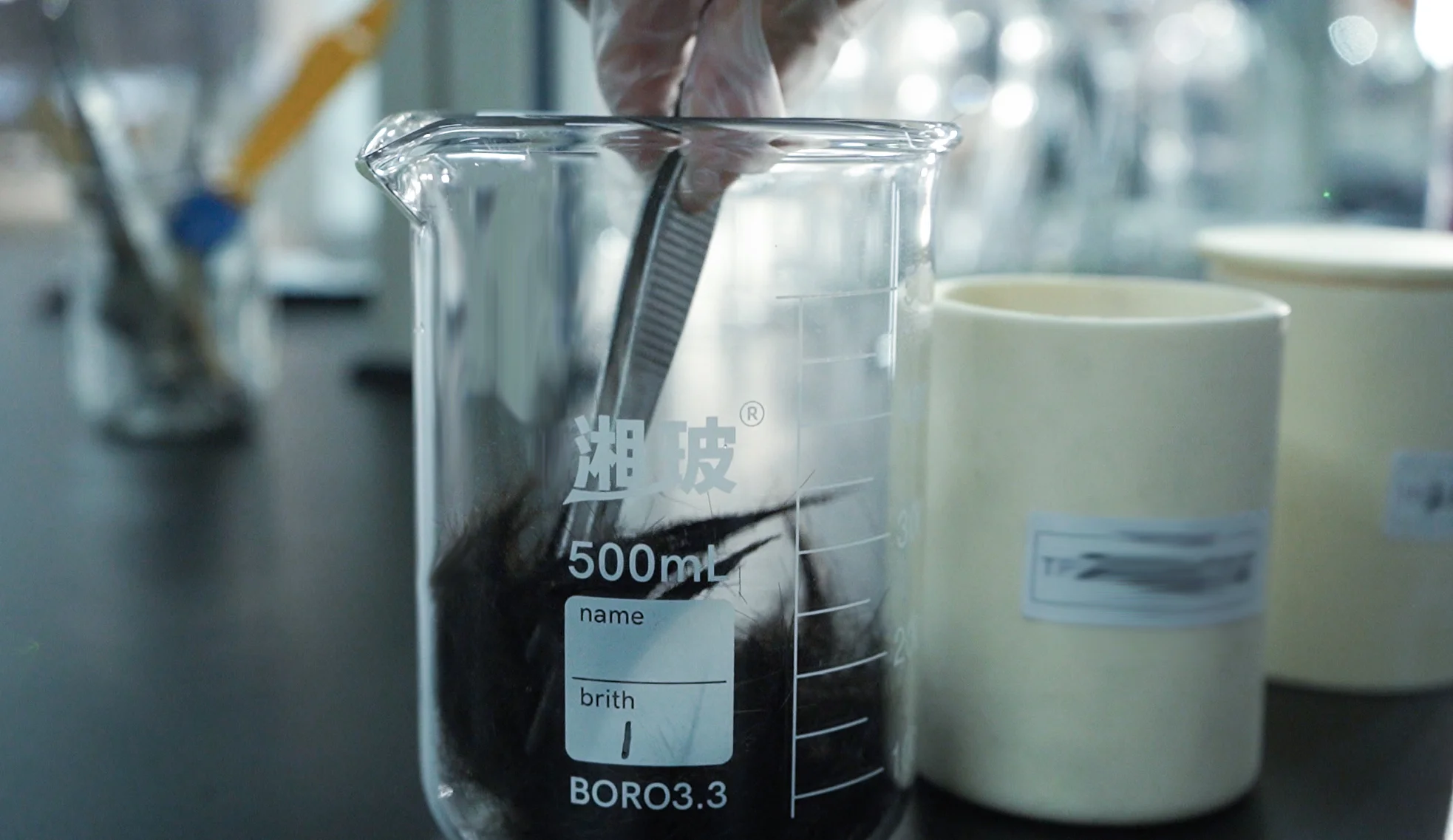
Figure 2: Raw material loading stage — carbon samples are prepared for HPHT synthesis in controlled cleanroom conditions.
Margin Structure: How Partners Make Money
The OEM model works because the partner controls retail pricing while paying wholesale manufacturing costs. Typical margin structures in the memorial diamond industry:
| Diamond Size | Partner Pricing | Retail Positioning | Partner Margin |
|---|---|---|---|
| 0.25 ct | Contact us | Entry-level retail — an accessible first purchase | 50–60% |
| 0.50 ct | Contact us | Mid-range retail — the core volume tier | 50–60% |
| 1.00 ct | Contact us | Premium retail — flagship, statement pieces | 50–60% |
These margins are significantly higher than typical cremation service margins (15–30%) and competitive with premium jewelry retail (40–60%). Memorial diamonds represent a genuine profit opportunity, not merely a sentimental upsell.
Risk Comparison: OEM vs. In-House vs. Reselling
Partners evaluating memorial diamond integration have three options:
| Factor | OEM (BioGem Lab) | In-House Manufacturing | Reselling Existing Brand |
|---|---|---|---|
| Upfront investment | None | $660K–$1.85M | Minimal |
| Brand control | Full | Full | None |
| Pricing control | Full | Full | Limited |
| Customer ownership | Partner retains | Full ownership | Shared with brand |
| Technical expertise required | None | Extensive | Minimal |
| Production timeline control | Dependent on partner | Full control | Dependent on brand |
| Differentiation | High (unique product) | Maximum | Low (commoditized) |
OEM manufacturing offers the best risk-adjusted value: full brand and pricing control without capital investment. Reselling an existing brand is lower risk but sacrifices differentiation and margin. In-house manufacturing maximizes control but requires capital and expertise that most memorial service businesses do not have.
Conclusion
OEM memorial diamond manufacturing enables pet cremation services, veterinary clinics, memorial brands, and funeral homes to offer a premium, emotionally significant product — without the capital burden, technical complexity, or operational risk of building manufacturing in-house.
The key to a successful OEM partnership is selecting a manufacturer with: proven production capability, transparent quality documentation, reliable timelines, and white-label fulfillment infrastructure. BioGem Lab's 13+ years of memorial diamond production, patent-backed carbon extraction technology, and white-label partner network worldwide position us as a laboratory-scale manufacturer designed for B2B relationships.
For businesses evaluating whether memorial diamonds fit their portfolio, the OEM model eliminates the "build vs. buy" decision entirely. The only question is whether your customer base values a permanent, tangible memorial — and in the pet aftercare industry, the answer is increasingly yes.
Ready to Explore OEM Partnership?
BioGem Lab provides sample kits, confidential pricing, and partnership documentation to qualified B2B applicants. We work exclusively with established businesses — pet cremation services, veterinary groups, memorial brands, and funeral enterprises.
View Partnership Models →Frequently Asked Questions
What is the minimum order quantity for OEM partnership?
BioGem Lab's OEM program starts at 10 diamonds per quarter. This volume justifies dedicated production line allocation and custom packaging setup. Lower volumes are handled through our standard white-label program.
Can I use my own branding on OEM diamonds?
Yes. OEM partners receive unbranded diamonds with partner-specified laser inscriptions, custom certificates, and branded packaging. The diamonds themselves carry no BioGem Lab branding unless requested.
What quality grades are available for OEM?
Standard OEM offering: E–H color, VS2–SI1 clarity, 0.25–1.0 carat. Custom specifications available for qualified partners with minimum volume commitments. Fancy colors and D-grade are not available.
How does the OEM pricing structure work?
OEM pricing is volume-tiered: 10–49 units/quarter, 50–99 units, and 100+ units. Each tier offers progressive discounts. All pricing is confidential and governed by partnership agreements. Contact us for specific rates.
Li Lihua — Chief Scientist
Patent inventor ZL 201010565778.9. View profile →
Ready to Partner with BioGem Lab?
Learn about our white-label and OEM manufacturing programs for memorial diamond businesses.
Explore Partnership →