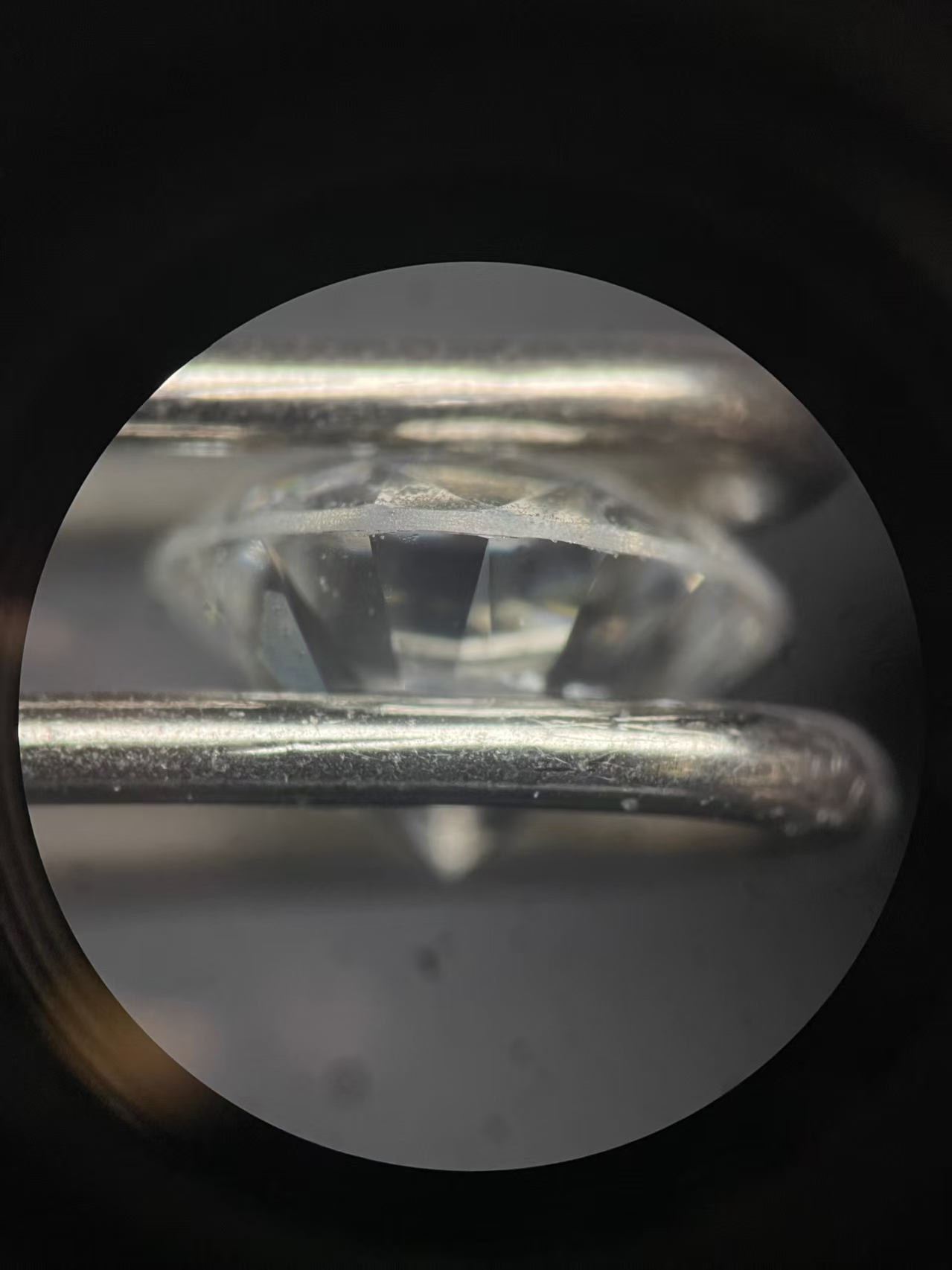
Memorial diamonds occupy a unique position in the luxury goods market. They are simultaneously a manufactured product and a deeply personal artifact. This dual nature creates a trust problem that standard retail sales techniques cannot solve. When a pet cremation service sells a memorial diamond, the client is not merely buying a gemstone — they are buying a guarantee that the diamond contains the carbon of their pet. That guarantee must be verifiable, documented, and independently certifiable. This guide provides the technical framework B2B partners need to establish and maintain trust in memorial diamond sales.
TL;DR — Quick Summary
Trust in memorial diamond sales is built through three pillars: (1) verifiable manufacturing documentation showing chain of custody from biological sample to finished diamond, (2) independent third-party certification from IGI or GIA confirming diamond characteristics and laboratory-grown origin, and (3) transparent client communication that explains the process without ambiguity or unsupported claims. B2B partners who implement these standards consistently report higher client satisfaction and lower dispute rates.
The Transparency Imperative in Memorial Diamond Sales
The memorial diamond industry operates under a trust deficit that most luxury sectors do not face. Clients cannot visually confirm that a diamond contains their pet's carbon. They cannot touch the HPHT synthesis process or verify the extraction yield themselves. They must trust the laboratory, the B2B partner, and the certification chain. Any break in this chain destroys the product's value entirely — not just its market value, but its meaning to the client.
Transparency is not a marketing strategy. It is a quality control protocol. In the memorial diamond supply chain, transparency means that every step from sample receipt to final delivery is documented, auditable, and communicable to the end client. This requires systematic procedures, not goodwill. A partner who can show a client exactly where their pet's sample is in the manufacturing pipeline — and prove it with batch numbers, dates, and laboratory records — has a structural advantage over competitors who rely on generic assurances.
The cost of transparency failure is not merely a refund. It is reputational damage that can destroy a business. In the pet aftercare industry, word-of-mouth and online reviews are primary drivers of client acquisition. A single accusation that a memorial diamond "might not contain the real carbon" can generate negative reviews that persist for years and deter future clients. The financial impact of one unresolved trust incident far exceeds the cost of implementing rigorous documentation protocols from the start.
Laboratory Verification Standards
The foundation of trust in memorial diamond sales is the laboratory's ability to prove what it claims. B2B partners should evaluate their manufacturing suppliers against specific verification criteria before entering any supply agreement. These criteria are not negotiable — they are the minimum standards for credible memorial diamond production.
Chain of Custody Documentation
From the moment a biological sample arrives at the laboratory, it must be tracked through every processing stage. Chain-of-custody documentation should include: sample receipt date and condition, assigned batch number, weight and photographic record, carbon extraction yield data, graphitization batch assignment, HPHT synthesis cell number, growth duration and parameters, cutting and polishing assignment, and final certification number. This documentation creates a complete audit trail that connects the client's sample to the finished diamond through verifiable records.
Chain of Custody — Required Documentation
- Sample receipt logDate, weight, condition photo
- Batch assignmentUnique identifier linked to client
- Extraction recordCarbon yield percentage, purity analysis
- Graphitization logTemperature, duration, batch ID
- HPHT synthesis recordPressure, temperature, duration, cell ID
- Cutting and polishingWeight before/after, proportions
- Certification linkageCertificate number cross-referenced to batch
At BioGem Lab, every sample receives a unique batch identifier at receipt that persists through all processing stages. Partners can request batch status reports at any point during the 4-8 week manufacturing cycle, and each report includes the current processing stage with timestamp and technician verification.
Carbon Source Verification
The defining characteristic of a memorial diamond is that its carbon originates from a specific biological source. Verifying this origin requires analytical chemistry, not trust. Laboratories should perform carbon isotope analysis to confirm that the extracted carbon matches the expected isotopic signature of the submitted biological material. Human hair, pet fur, and botanical material each have distinct carbon-13 to carbon-12 ratios that can be measured and documented.
While isotopic analysis is not yet standard across all memorial diamond laboratories, leading manufacturers have begun incorporating it as a verification step. B2B partners should ask prospective suppliers whether they perform isotopic analysis and whether they can provide the results as part of the certification package. This capability separates technologically advanced laboratories from those that rely on manual tracking alone.
Certification and Documentation Standards
Independent certification is the single most important trust mechanism in memorial diamond sales. A certificate from a recognized gemological institute provides clients with objective verification that transcends the supplier's own claims. B2B partners must understand what certification covers, what it does not cover, and how to communicate both aspects to clients.
IGI and GIA Certification for Memorial Diamonds
Both IGI (International Gemological Institute) and GIA (Gemological Institute of America) provide grading reports for laboratory-grown diamonds, including memorial diamonds. The certificate specifies the four Cs: carat weight, color grade, clarity grade, and cut quality. For memorial diamonds, the certificate should also identify the stone as laboratory-grown, which is standard practice for all HPHT and CVD diamonds.
What the certificate does NOT verify is the biological origin of the carbon. IGI and GIA do not test carbon isotope ratios or confirm that the diamond contains carbon from a specific hair sample. This is a critical distinction that B2B partners must communicate accurately. The certificate proves the diamond's physical characteristics; the chain-of-custody documentation proves its memorial origin. Both are necessary for complete trust.
Critical Distinction — What Certification Covers
IGI/GIA certification verifies: Carat weight, color, clarity, cut proportions, fluorescence, and laboratory-grown origin.
IGI/GIA certification does NOT verify: Carbon source, biological origin, specific sample linkage, or extraction yield. These require laboratory documentation and chain-of-custody records.
Patent and Manufacturing Credentials
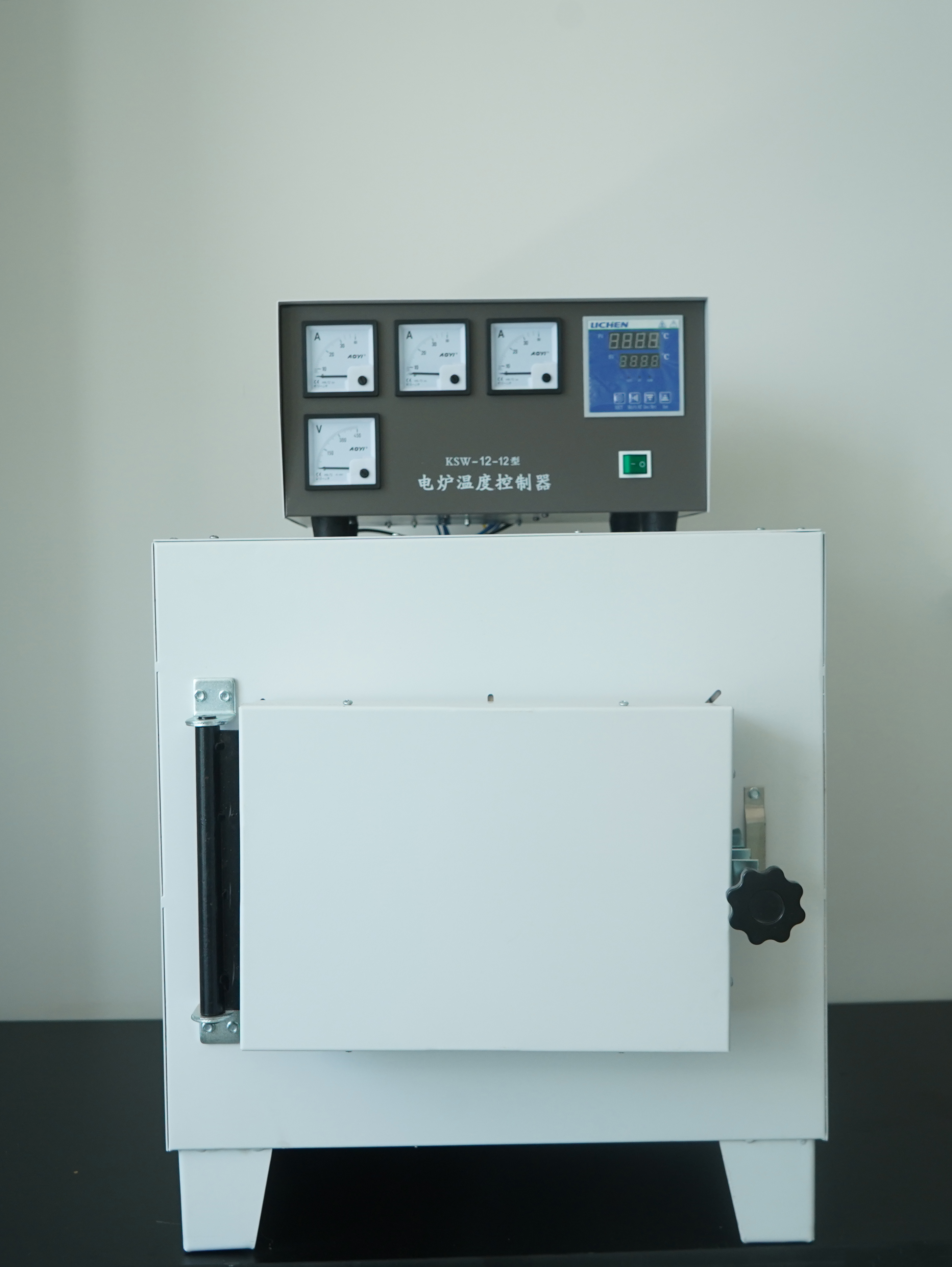
Beyond gemological certification, the laboratory's own credentials matter. Partners should verify that the manufacturer holds relevant patents, operates licensed manufacturing facilities, and maintains documented quality control procedures. Patent-backed carbon extraction technology demonstrates that the laboratory has invested in proprietary process development rather than relying on generic methods. This differentiation is meaningful to clients who research the science behind memorial diamonds.
BioGem Lab holds Patent No. ZL 201010565778.9 for carbon extraction technology, with documented manufacturing infrastructure at our Luoyang, Henan facility. Partners may request facility documentation, equipment specifications, and quality control protocols as part of their supplier qualification process.
Supply Chain Transparency for B2B Partners
Trust is not only between the laboratory and the end client. It is also between the laboratory and the B2B partner. Pet cremation services, veterinary clinics, and memorial retailers must be able to verify that their supplier is delivering what they promise. This requires supply chain transparency that extends beyond the end client to the business partner itself.
Partner Access to Manufacturing Records
B2B partners should have direct access to manufacturing records for their clients' orders. This does not mean unlimited access to the laboratory's proprietary processes, but it does mean the ability to verify status, confirm batch numbers, and validate completion dates. A partner portal or regular reporting system that provides batch status updates, expected completion dates, and certification timelines enables partners to manage client expectations accurately.
At BioGem Lab, partners receive automated batch status reports at three stages: (1) sample receipt and extraction commencement, (2) graphitization and synthesis initiation, and (3) cutting, polishing, and certification completion. Each report includes the batch number, current stage, expected next milestone, and any exceptions or delays. This systematic communication eliminates the uncertainty that damages trust.
Failure and Rework Protocols
Transparency requires honesty about failure rates and rework procedures. HPHT synthesis is not a guaranteed process. Diamonds can crack during growth, inclusions can render stones unsuitable for cutting, and color can deviate from target specifications. A transparent supplier communicates these risks upfront and has documented rework policies that protect both the partner and the end client.
Partners should ask prospective suppliers three specific questions: What is your historical synthesis success rate? What happens if a diamond fails during growth — do you retry with the same carbon or require a new sample? What is your policy if the final color or clarity differs from the client's request? The answers to these questions reveal whether the supplier operates with transparency or relies on ambiguity to avoid accountability.
Client Communication Protocols
The B2B partner is the primary interface between the laboratory and the end client. How partners communicate the memorial diamond process directly affects client trust. The following protocols provide a structured approach to transparent client communication that builds confidence without overpromising.
Explain the Process, Not Just the Product
Clients who understand the manufacturing process are more trusting of the result. Partners should explain the full sequence: sample submission, carbon extraction, purification, graphitization, HPHT synthesis, cutting, polishing, and certification. Each stage should be described with realistic timelines and honest explanations of what can go wrong. Clients who receive this explanation before ordering are more patient during the manufacturing cycle and more accepting of minor deviations in the final product.
The Pet Memorial Diamond Buying Guide provides a detailed technical framework that partners can share with clients who want to understand quality standards before purchasing. Sharing technical resources builds credibility and reduces the burden on partners to explain complex materials science in every sales conversation.
Provide Written Documentation at Every Stage
Verbal assurances are insufficient for memorial diamond transactions. Partners should provide written documentation at each stage: a sample receipt confirmation with batch number when the sample is submitted, a processing commencement notice with estimated timeline, a mid-process status update at the synthesis stage, and a completion report with certification details and tracking information. This documentation creates a paper trail that clients can reference and share with family members who may also have questions.
Set Realistic Expectations About Timeline and Variability
Memorial diamonds are not manufactured to the same tolerance as industrial diamonds. Color, clarity, and size all vary within ranges that depend on the starting material's carbon composition. Partners who communicate realistic ranges — "0.8 to 1.0 carats, color grade G to I, clarity VS1 to VS2" — create trust by demonstrating technical understanding. Partners who promise exact specifications — "exactly 1.0 carat, color D, clarity VVS1" — set themselves up for disappointment unless the laboratory can reliably deliver those tolerances, which most cannot for memorial diamonds.
When evaluating a memorial diamond supplier, partners should assess whether the supplier provides realistic tolerance ranges or makes exact promises that are unlikely to be met. The difference reveals the supplier's technical sophistication and honesty.
Patent-backed carbon extraction technology. Patent No. ZL 201010565778.9
Frequently Asked Questions
What documentation should a memorial diamond supplier provide?
A qualified memorial diamond supplier should provide: (1) Chain-of-custody documentation tracking the biological sample from receipt to final diamond, (2) Laboratory analysis reports confirming carbon source purity and composition, (3) Independent gemological certification (IGI or GIA) verifying diamond characteristics, (4) Process documentation showing HPHT synthesis parameters, and (5) A written guarantee that the diamond contains carbon exclusively from the submitted sample.
How can B2B partners verify memorial diamond authenticity?
B2B partners can verify authenticity by requesting independent third-party certification from IGI or GIA, asking for sample tracking documentation with batch numbers, verifying the laboratory's patent credentials and manufacturing licenses, and conducting spot audits of the manufacturing facility. Partners should also request certificates of analysis for carbon purity and confirm that the supplier has documented quality control procedures.
What certification standards apply to memorial diamonds?
Memorial diamonds are certified using the same standards as natural and laboratory-grown diamonds. IGI (International Gemological Institute) and GIA (Gemological Institute of America) both provide grading reports for memorial diamonds, assessing the four Cs: carat weight, color, clarity, and cut. The certificate should explicitly identify the stone as a laboratory-grown diamond and specify its origin from biological carbon. Some laboratories also provide additional carbon source verification documentation.
Should memorial diamond suppliers disclose their manufacturing location?
Yes. Manufacturing location disclosure is a standard transparency practice in the diamond industry. B2B partners and end clients have the right to know where their memorial diamond is synthesized. Disclosure of laboratory location, equipment specifications, and quality control protocols builds trust and enables partners to verify operational standards. BioGem Lab operates from Luoyang, Henan, China, with full manufacturing infrastructure documentation available to qualified partners.
How should pet cremation services communicate memorial diamond sourcing to clients?
Pet cremation services should communicate sourcing transparently by: explaining the carbon extraction and HPHT synthesis process in accessible terms, providing written documentation about the laboratory partner and their credentials, showing clients the certification the diamond will receive, offering to track the sample through the manufacturing process, and being clear about timelines, pricing, and what happens if the synthesis fails. Avoid vague claims; instead, provide specific technical details and documentation.
Li Lihua — Chief Scientist
Patent inventor ZL 201010565778.9. View profile →
Request Partner Documentation Package
Download sample chain-of-custody templates, certification guides, and client communication protocols for your memorial diamond program.
Contact Laboratory