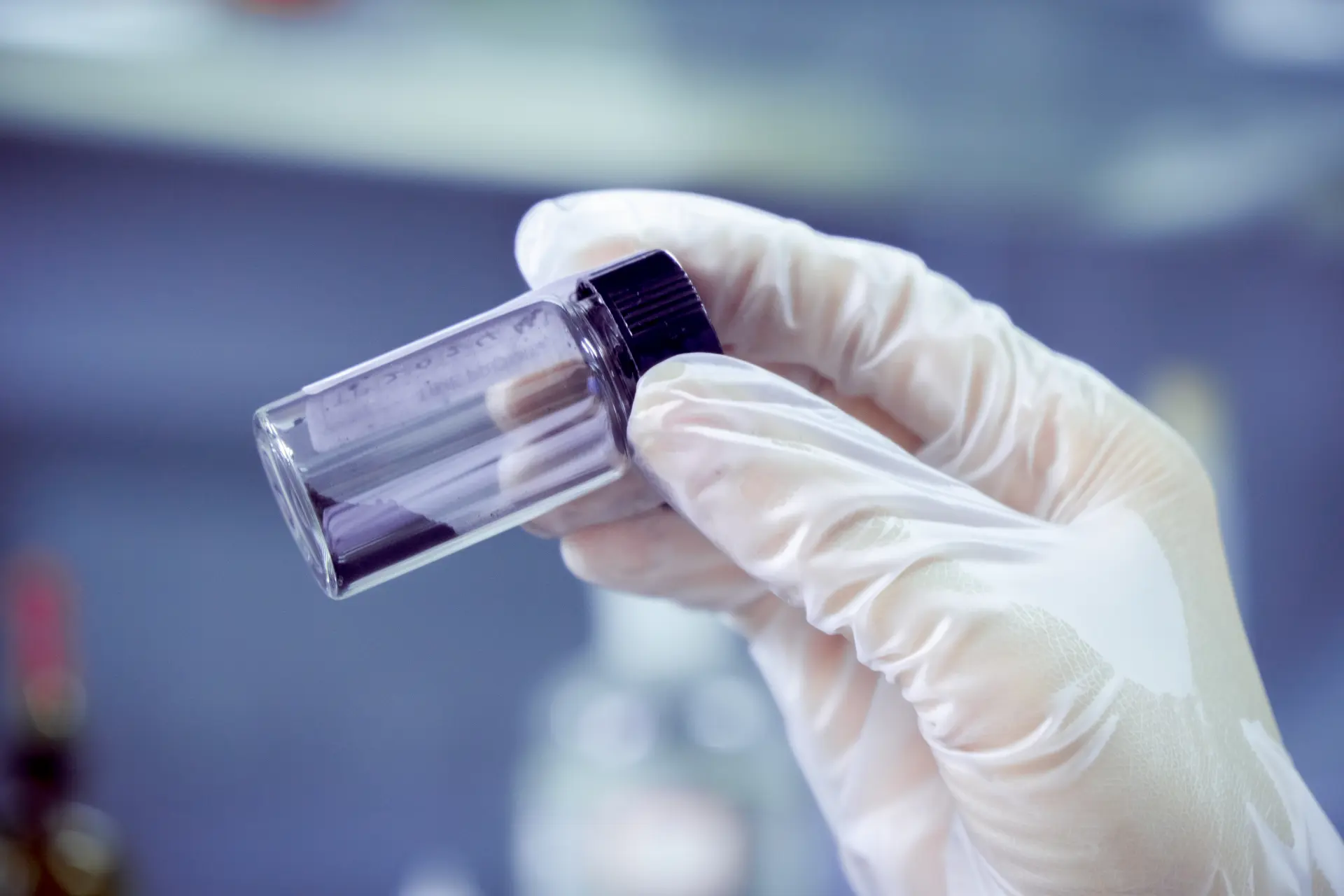
Most people who inquire about memorial diamonds ask the same question first: how much does it cost? The honest answer is that there is no single number — cost depends on carat weight, color and clarity targets, certification level, and the supplier's business model. Most published figures are retail prices that obscure what actually happens inside a manufacturing laboratory. This article breaks down the real cost structure, category by category, so that B2B buyers and industry professionals can understand where the money goes. BioGem Lab does not publish pricing; verified B2B partners receive detailed wholesale quotations on request.
TL;DR — Quick Summary
Memorial diamond cost is driven by five factors: carbon extraction and purification, HPHT synthesis duration and energy consumption, cutting and polishing labor, independent gemological certification, and partner support overhead. B2B wholesale supply lets partners capture the retail margin themselves — with no inventory investment required.
The Five Cost Categories
Memorial diamond manufacturing can be decomposed into five sequential cost categories. Each category has distinct cost drivers, and each offers different opportunities for efficiency depending on the laboratory's scale and infrastructure.
1. Carbon Extraction and Purification
The starting material — human hair, pet fur, or botanical carbon — contains roughly 30-40% carbon by mass, but that carbon is bound in keratin, cellulose, and other organic compounds. The extraction process involves thermal decomposition, acid washing, and high-temperature purification to produce graphite-grade carbon.
Carbon Extraction Cost Components
- Sample intake and documentation
- Thermal decomposition (furnace time, energy)
- Chemical purification (reagents, labor)
- Graphitization (2,600–3,000°C, inert atmosphere)
The main variables are sample size and carbon source type. A 10-gram hair sample is straightforward. A 3-gram pet fur sample requires more careful handling and may need a second processing pass. Botanical carbon — peony flowers, tree bark — often carries more mineral contamination and demands additional purification cycles.
At BioGem Lab, we use a patented carbon extraction process (Patent No. ZL 201010565778.9) that optimizes yield and reduces reagent consumption by approximately 30% compared to standard wet-chemistry methods. This directly reduces the per-sample cost for our B2B partners.
2. HPHT Synthesis
This is the dominant cost center — typically 40% to 50% of total manufacturing cost. HPHT synthesis requires maintaining extreme pressure (5-6 GPa, roughly the pressure at the base of Earth's mantle) and high temperature (1,300-1,600°C) inside a specialized press for 18 to 25 days.
HPHT Synthesis Cost Components
- Press operation (energy + depreciation)
- Metal catalyst solvent (Ni-Mn-Co alloy)
- Diamond seed crystal
- Process monitoring + labor (24/7)
- Pyrophyllite cell assembly
One critical variable is yield rate — the percentage of synthesis cycles that produce a gem-quality diamond. Industry averages range from 60% to 75%. A laboratory with optimized temperature-pressure profiles and better catalyst control can push this to 85% or higher, which directly reduces the effective cost per successful diamond by 20-30%.
Another factor is batch efficiency. Some presses can grow multiple diamonds simultaneously in a single cell assembly. This spreads the fixed energy and labor costs across more units, reducing per-carat cost by 15-25% at scale.
3. Cutting and Polishing
Raw HPHT diamonds emerge as rough octahedral or cubic crystals. They must be analyzed, planned, cleaved or sawn, and then faceted. This is skilled labor — a single miscalculation can destroy a finished stone.
Cutting and Polishing Cost Components
- Rough analysis and planning
- Cleaving or laser sawing
- Bruting (rounding)
- Faceting (57-58 facets, brilliant cut)
- Polishing and final inspection
Fancy shapes (princess, cushion, emerald) require more complex faceting than standard round brilliants and cost 30-50% more. Memorial diamonds are almost always round brilliant — partly because it maximizes light performance from typically smaller stones (0.5ct to 1.0ct), and partly because round cutters are more readily available at lower cost.
4. Certification and Documentation
Every memorial diamond should carry documentation that connects it to its carbon source and verifies its gemological properties. The cost and depth of this documentation varies significantly.
Certification Options
- In-house certificate (lab-issued)
- CCIC traceability certification
- IGI full grading report
- GIA full grading report
- Carbon source documentation + video
At BioGem Lab, we include CCIC traceability certification as standard for all B2B orders. We view IGI or GIA certification as optional upgrades — valuable for retail partners selling to end consumers who recognize those brand names, but not a necessity for the diamond's intrinsic quality. IGI is a standard configuration; GIA is available upon request.
5. Packaging and Fulfillment
For B2B white-label supply, packaging is customized per partner. This includes branded certificate holders, ring boxes or pendant settings (if requested), and secure shipping materials.
Packaging and Fulfillment Cost Components
- White-label packaging (box + certificate holder)
- Setting (ring/pendant, if ordered)
- Secure international shipping
- Insurance (declared value)
How Cost Scales with Carat Weight
All five categories combine into the total manufacturing cost. Because growth time is similar across standard sizes, the main difference between carat weights is how the fixed costs — certification, packaging, shipping, and documentation — are distributed:
| Carat | Growth Time | Cost Structure |
|---|---|---|
| 0.25 ct | ~18–25 days | Fixed costs dominate the total — the least cost-efficient size per carat |
| 0.5 ct | ~18–25 days | Balanced structure; the most common B2B order size |
| 1.0 ct | ~18–25 days | Highest absolute cost, but fixed costs amortize across a more valuable stone |
The gap between manufacturing cost and the end-market retail price is where distribution partners capture value. Memorial diamonds support substantially healthier partner margins than traditional jewelry retail, because every stone is made to order and carries an emotional significance that commodity jewelry does not. Detailed wholesale tiers and margin analysis are provided to verified partners on request.
Why Wholesale B2B Pricing Differs from Retail
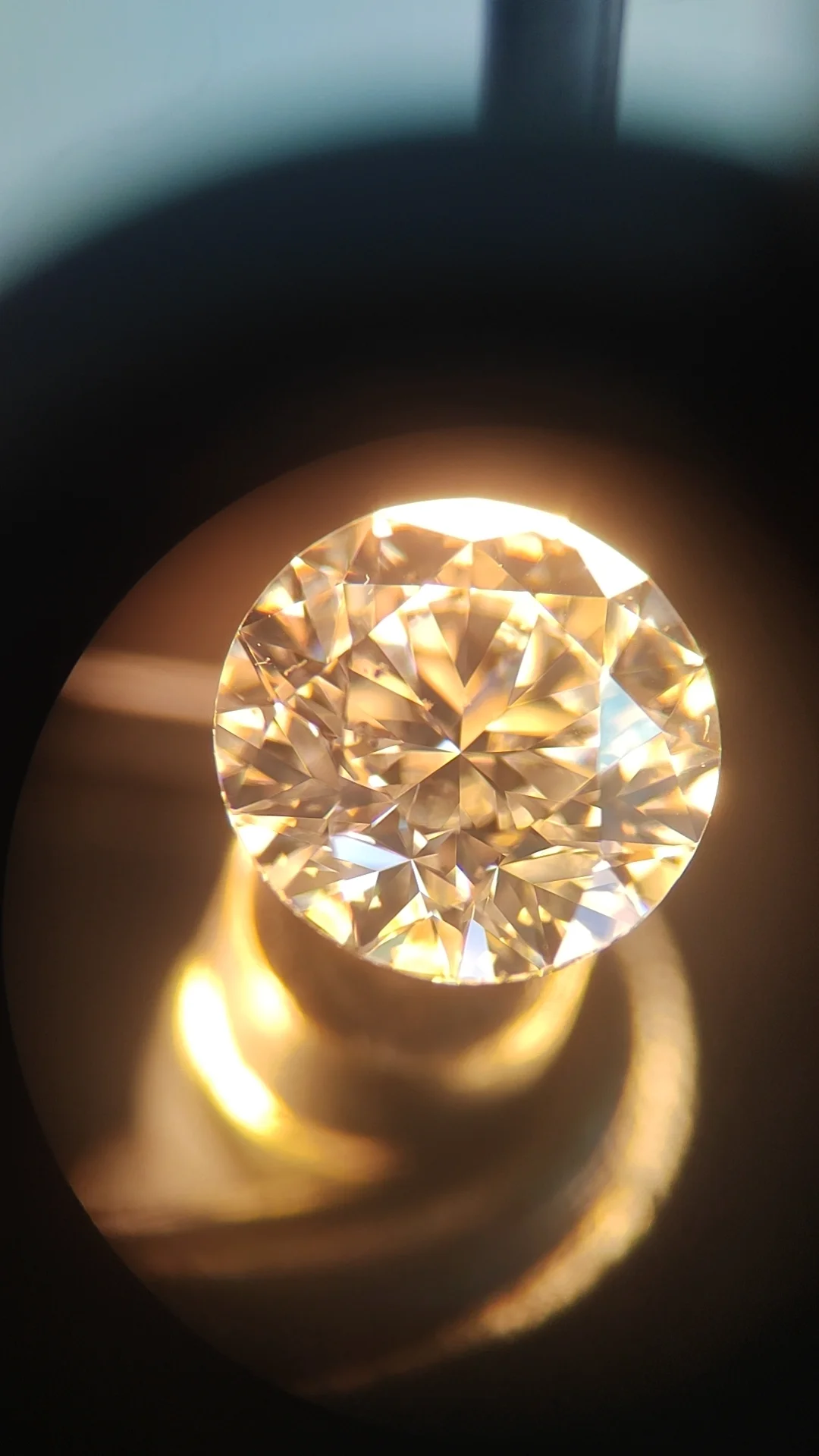
The memorial diamond industry has an unusual pricing structure. Retail brands like Eterneva or Heart In Diamond sell directly to grieving families at premium prices. The actual manufacturing cost is only a fraction of what the end customer pays.
The retail premium covers:
- Customer acquisition (digital advertising, grief counseling content, SEO)
- Emotional support infrastructure (dedicated memorial coordinators, follow-up care)
- Brand positioning and packaging (luxury unboxing, storytelling, photography)
- Return and remake policies (which B2B partners typically handle themselves)
- Retail overhead (showrooms, staff, insurance)
A B2B partner — a pet cremation service, veterinary clinic, or memorial retailer — does not need to replicate that overhead. They already have the customer relationship at the point of need. They simply need a reliable manufacturing partner who can deliver quality diamonds, on time, under their brand name. That is the exact position BioGem Lab occupies in the supply chain.
Volume Discounts and Scale Economics
Like any manufacturing operation, memorial diamond production benefits from scale. A laboratory running 50 synthesis cycles per month has fundamentally different unit economics than one running 5 cycles.
Scale Impact on Per-Carat Cost
- 1-5 diamonds / month (small lab)Baseline cost
- 10-20 diamonds / month (mid-size)-15% to -25%
- 50+ diamonds / month (industrial)-30% to -40%
BioGem Lab operates at industrial scale with dedicated HPHT press infrastructure. This allows us to offer competitive wholesale pricing to B2B partners without compromising the individual attention each memorial diamond deserves.
Patent-backed carbon extraction technology. Patent No. ZL 201010565778.9
Frequently Asked Questions
How much does a memorial diamond actually cost to manufacture?
Manufacturing cost depends on carat weight, color and clarity targets, and certification level. Carbon extraction, HPHT synthesis, cutting, certification, and fulfillment each contribute to the total. BioGem Lab does not publish pricing; verified B2B partners receive detailed wholesale quotations on request.
What is the biggest cost driver in memorial diamond production?
The HPHT synthesis process accounts for 40-50% of total manufacturing cost. Maintaining extreme pressure (5-6 GPa) and temperature (1,300-1,600°C) for 18-25 days requires specialized equipment, significant energy consumption, and continuous process monitoring.
Does carbon source type affect the manufacturing cost?
Carbon source type has minimal direct impact on synthesis cost but affects pre-processing. Human hair and pet fur require similar extraction protocols. Botanical carbon may need additional purification steps. The actual diamond synthesis cost remains constant regardless of carbon origin once purified graphite is prepared.
Why do memorial diamond prices vary so much between suppliers?
Price variation stems from four factors: (1) Synthesis technology efficiency — HPHT vs CVD, single vs batch growth; (2) Certification level — basic in-house vs third-party IGI/GIA; (3) Business model — B2B wholesale vs B2C retail markup; (4) Geographic labor and energy costs. A supplier with optimized HPHT infrastructure selling directly to B2B partners can price significantly below retail-focused competitors.
Li Lihua — Chief Scientist
Patent inventor ZL 201010565778.9. View profile →
Request Wholesale Pricing
Receive detailed B2B pricing tiers, margin analysis, and a sample partnership agreement.
Contact Laboratory